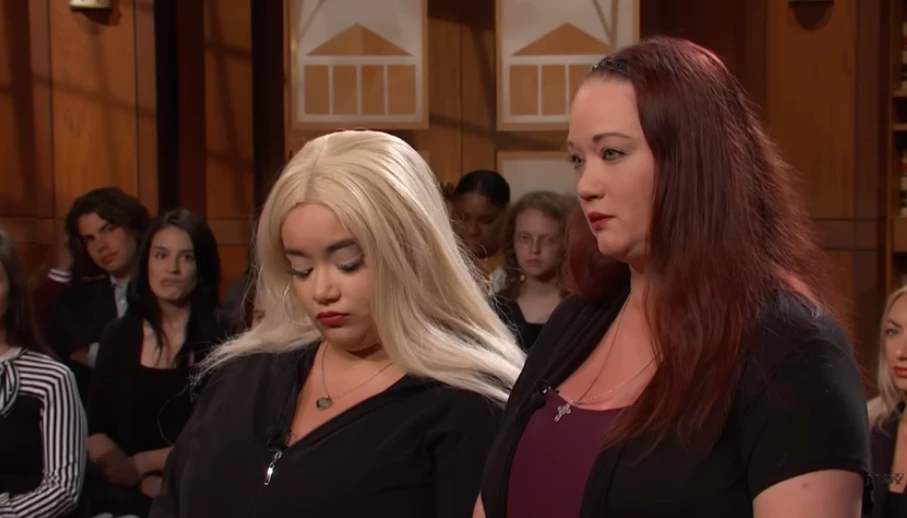
Baby Photo, Missing Hospital Records, and Confusing Timeline Lead to Judge Judy Ruling
Judge Judy reviews a deeply confusing pregnancy dispute involving two 19-year-old former coworkers, a claimed pregnancy, paternity-test costs, a reported miscarriage, a baby photo, and a family left searching for answers. The plaintiffs win $5,000.
Baby Photo, Missing Hospital Records, and Confusing Timeline Lead to Judge Judy Ruling
A workplace connection between two teenagers turns into a courtroom lesson about responsibility, proof, family trust, and the emotional cost of a story that never fully adds up. Ms. Byes told Alejandro Gonzales she was pregnant. His parents tried to be supportive, asked to attend appointments, and prepared for a possible child. But months later, there was no clear medical record, no verified appointment history, and no certain answer about whether a baby ever existed. Judge Judy follows the timeline, the texts, and the contradictions before awarding the plaintiffs $5,000.
A Walmart Connection Becomes a Life-Changing Claim
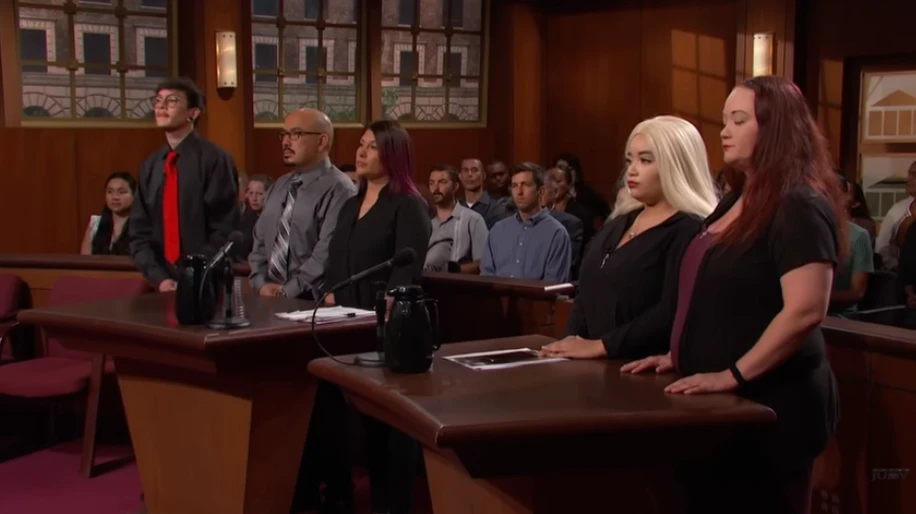
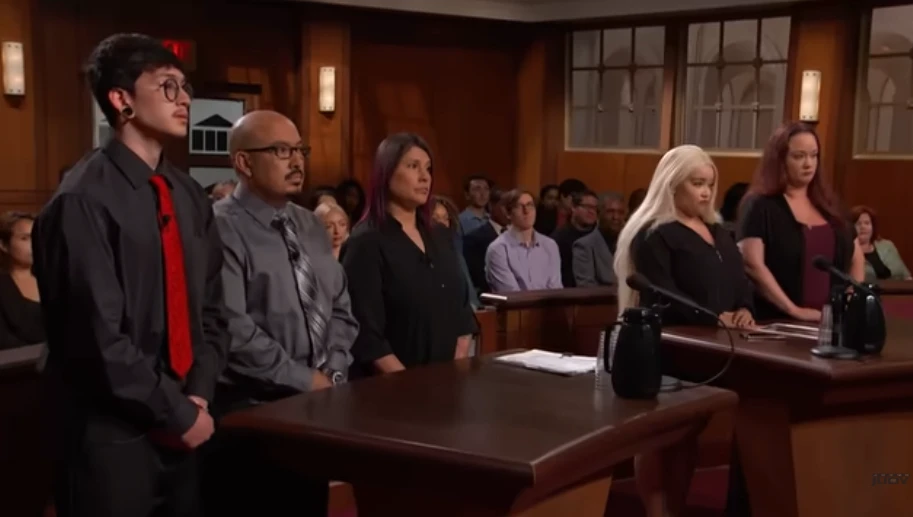
The case begins with two 19-year-olds standing before Judge Judy. Ms. Byes and Alejandro Gonzales met while working together at Walmart. Alejandro tells the court they were never in a formal dating relationship, but there was a brief private relationship between them.
Judge Judy quickly identifies the issue that brought both families to court:
“At one point Ms. Byes told you that she was pregnant.”
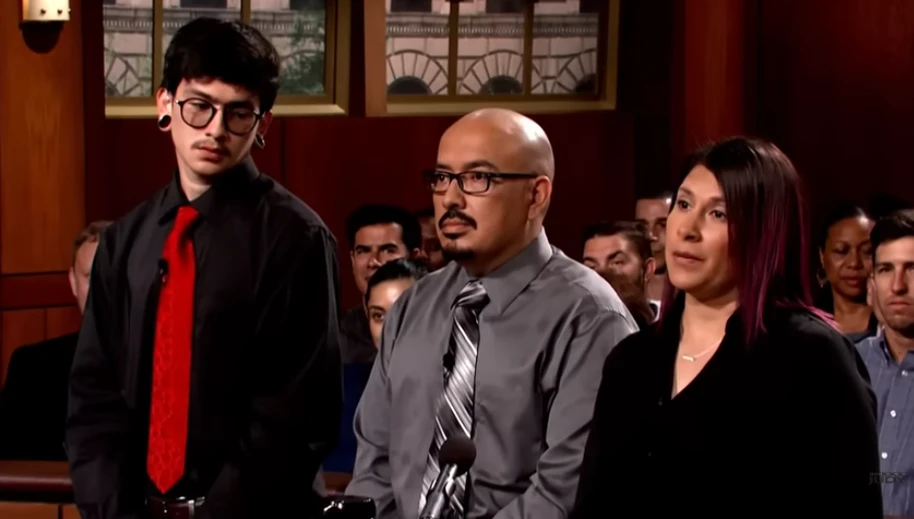
Alejandro answers:
“Yeah.”
Both Young Adults Were Only 19
Judge Judy asks Ms. Byes her age.
She answers:
“19.”
Alejandro is also 19.
The age matters because Judge Judy frames the entire case as a lesson about young adults making adult decisions without the maturity, proof, or responsibility needed to handle the consequences.

The Timeline Immediately Becomes Confusing
Alejandro first says he cannot remember exactly when Ms. Byes told him she was pregnant.
Ms. Byes says it was around the end of April, then the conversation shifts into dates in February, March, and April.
Judge Judy immediately notices the problem: the timeline is not stable.
Judge Judy Challenges the Parents Too
Judge Judy turns to the parents and asks whether they had discussed responsibility with their children.
When the young adults say they take responsibility, Judge Judy responds:
“What does that mean you take full responsibility for what you did?”
Her point is that saying “I take responsibility” is not the same as paying costs, showing records, or reducing harm to the families involved.
The Pregnancy Timeline Does Not Add Up
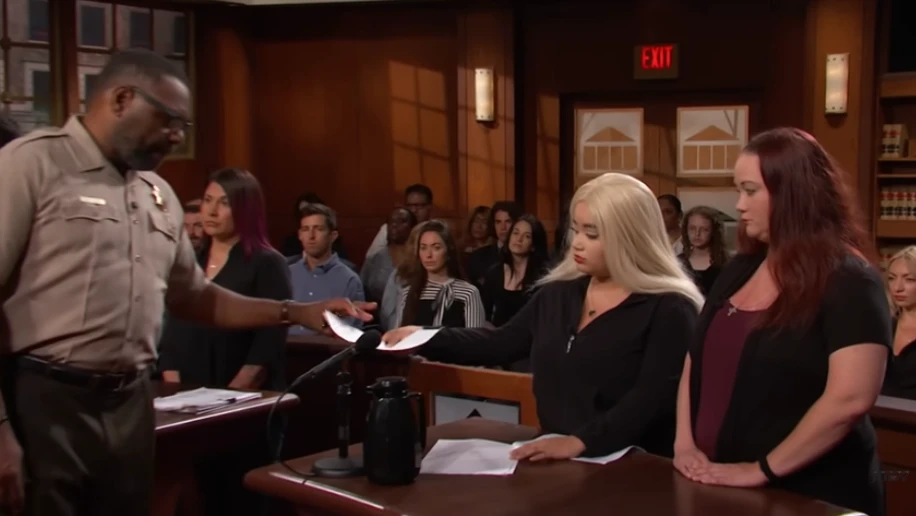
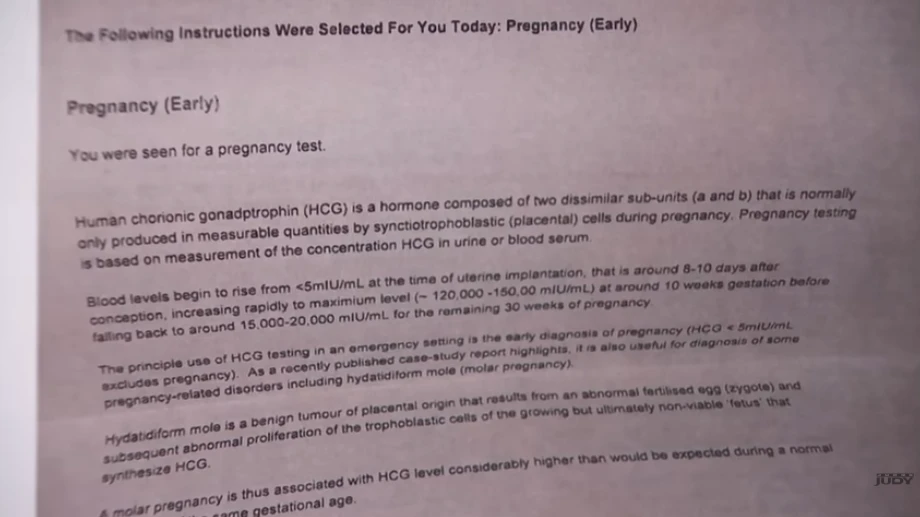
Judge Judy focuses on dates because they are the backbone of the case. Ms. Byes says she learned she was pregnant after a car accident in April, but Judge Judy reviews a pregnancy test record showing a different date.
The Test Was Dated March 25
Judge Judy says:
“You didn’t take this test in April. You took it in March.”
Then she clarifies:
“You took it in March, on March 25th.”
That matters because Ms. Byes’ earlier explanation suggested the hospital discovery happened later. Judge Judy sees the inconsistency as part of a larger credibility problem.


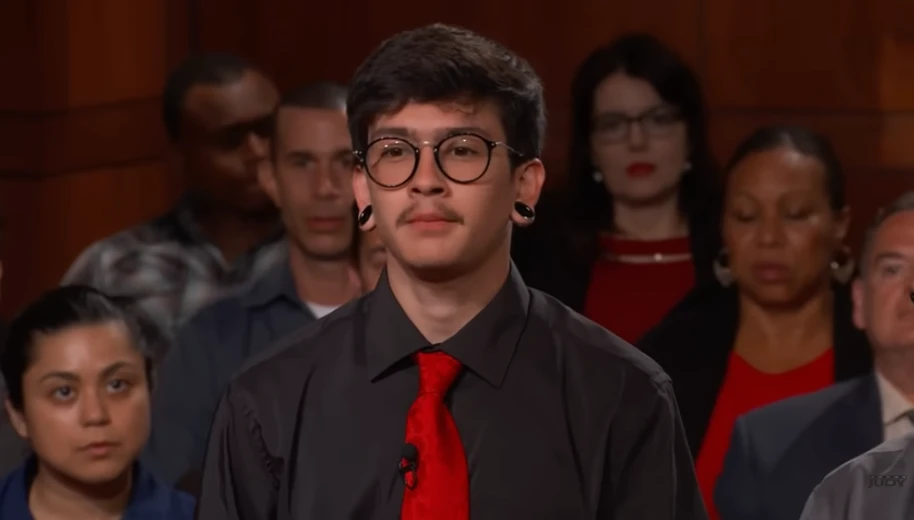
The February Date Changes the Story
When Alejandro says their private relationship began in February, Judge Judy notes that this is before St. Patrick’s Day, which had been referenced earlier.
She says:
“The middle of February isn’t St. Patrick’s Day.”
This is not just about one date. It shows that the story keeps shifting as Judge Judy asks more precise questions.
Ms. Byes Admits the Dates Are “Fouled Up”
After Judge Judy lays out the conflicting timeline, she says:
“The truth of the matter is your dates are all fouled up. Right?”
Ms. Byes answers:
“Yes.”
That admission significantly weakens her credibility.
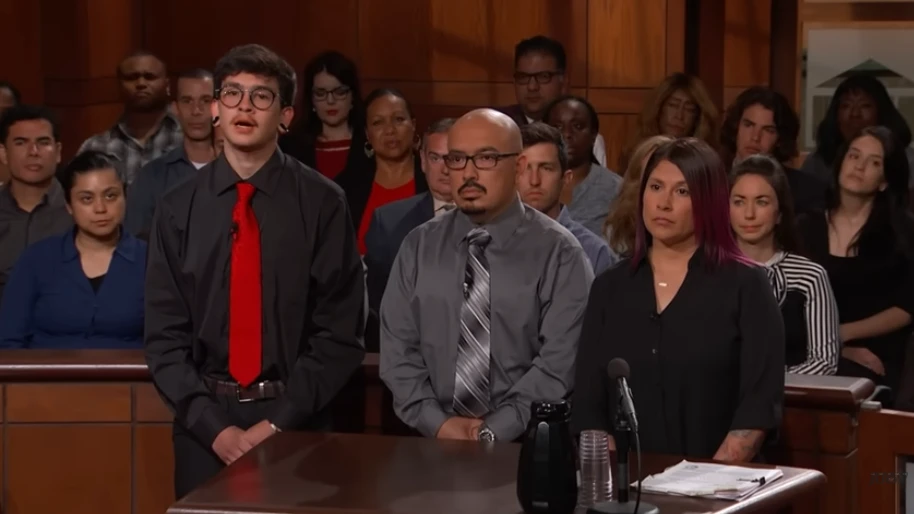
The Mother Believed the Pregnancy and Prepared for a Baby
Ms. Byes’ mother tells the court she initially felt upset because her daughter was young. But over time, she became excited and supportive.
She says the family participated in baby-related events.
The Family Had a Gender Reveal and Baby Shower
Ms. Byes’ mother says:
“We had a gender reveal. We had a baby shower. We did all these things.”
This quote is important because it shows the story did not affect only the two young adults. It involved extended family, emotional preparation, and financial effort.
Judge Judy Questions Why No One Went to the Doctor
Judge Judy asks whether the mother went with her daughter to medical appointments.
The mother says:
“She did not want me to go with her to the doctor.”
Judge Judy finds that troubling because the pregnancy was supposedly far along.
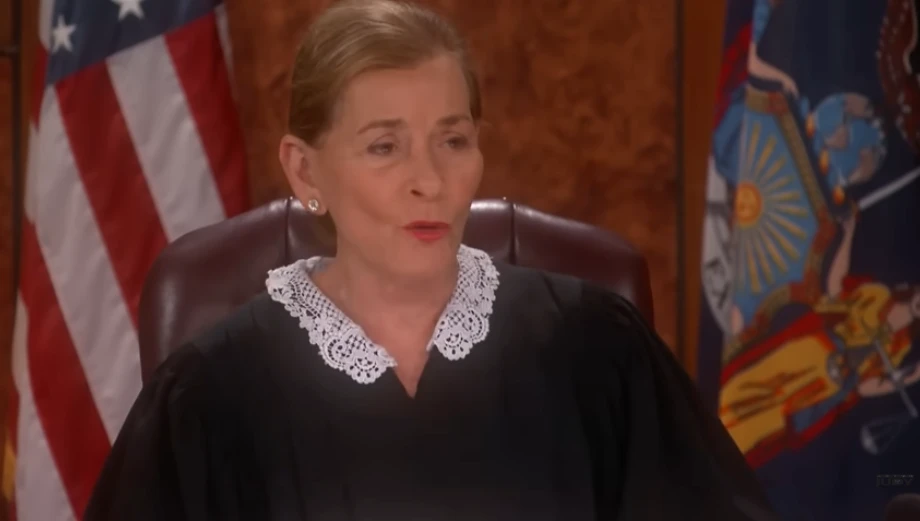
Nearly Full-Term Claim Raises Major Questions
Judge Judy counts the months:
“February, March, April, May, June, July, August, September, October.”
Then she says this would be a nearly full-term pregnancy, not a minor medical event with no family involvement.
That creates one of the biggest doubts in the case.
Alejandro’s Parents Tried to Be Involved
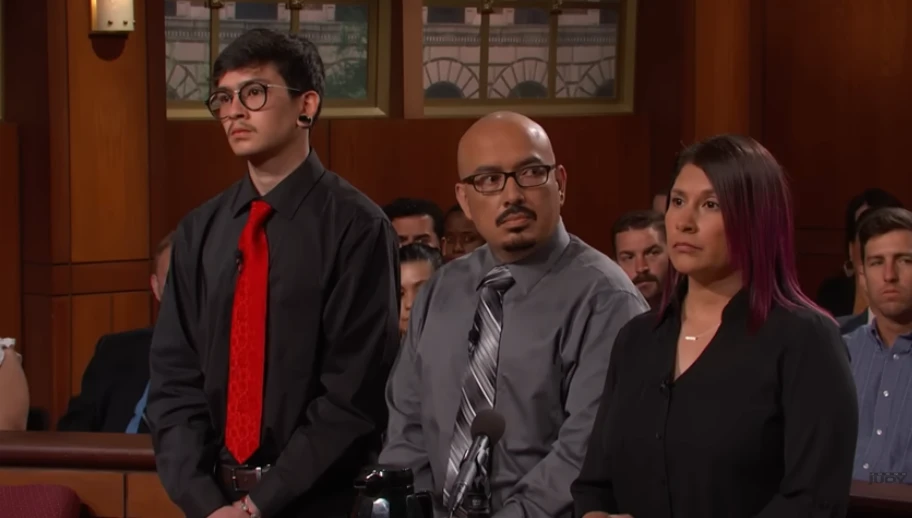
Alejandro’s parents tell Judge Judy that they were willing to support the situation if there was truly a baby. They asked to meet with Ms. Byes and her parents.
But Ms. Byes allegedly gave them a shocking explanation.

Ms. Byes Said Her Parents Were Deceased
Alejandro’s father says:
“She had told us that both of her parents were deceased.”
Judge Judy turns to Ms. Byes’ mother, who clearly did not know that.
This becomes one of the most damaging facts in the case. If Ms. Byes had told Alejandro’s family that both parents had passed away, it explains why they could not speak directly to her mother about medical appointments or support plans.
The Gonzales Family Offered Support
Alejandro’s father says they told Ms. Byes that if there was a baby, Alejandro would take care of the child.
He explains that they wanted to be involved in appointments and understand what was happening.
Judge Judy reads a message from Alejandro’s mother:
“Good morning. When is your next appointment? I need to let my job know.”
That message shows the family was trying to participate responsibly.
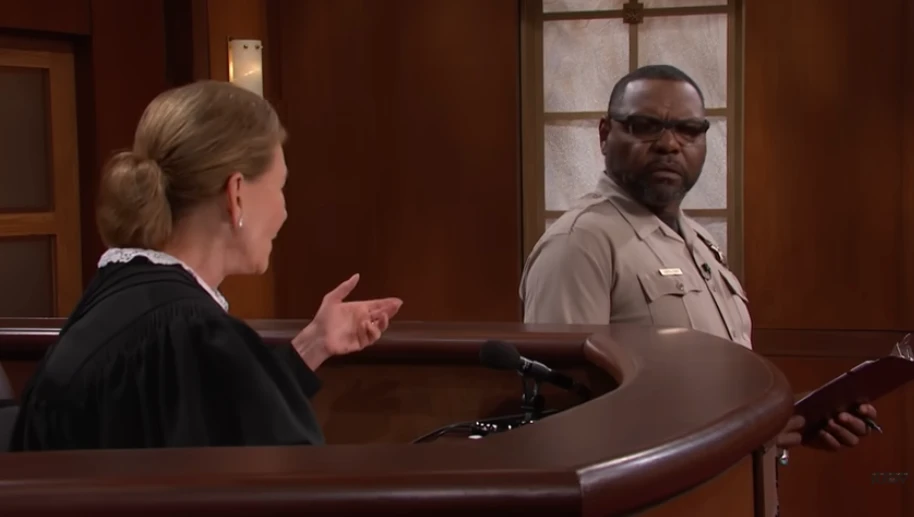
Judge Judy Sees a Pattern
After reading the messages, Judge Judy says the only person she does not believe is Ms. Byes.
She says:
“There’s no question that what you are telling me is true. And there’s no question that what he’s telling me is true. The only one who is a liar is she.”
This is one of the strongest credibility findings in the case.
The Text Messages Show Pressure and Distance
Judge Judy then reviews text messages that show Ms. Byes wanted direct contact with Alejandro and resisted communicating through his parents.
The messages create the impression that she wanted leverage and control over the conversation.
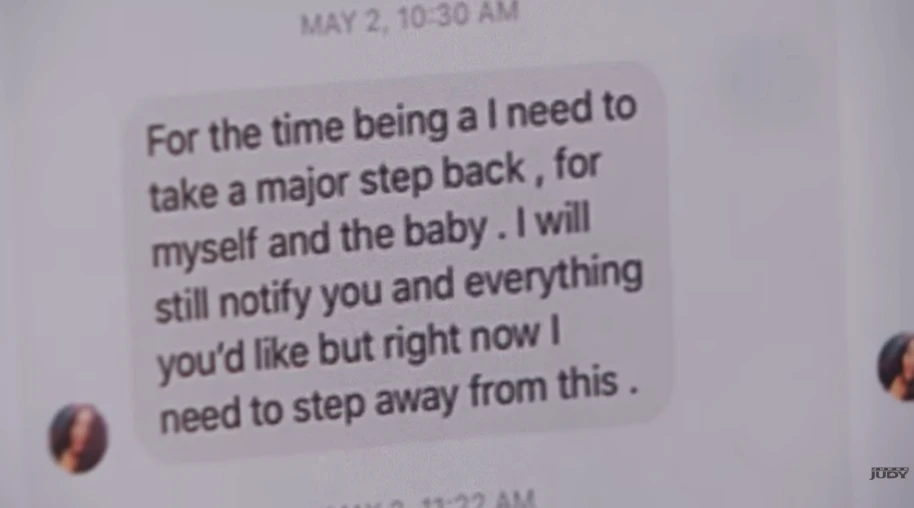
Ms. Byes Said She Needed to Step Back
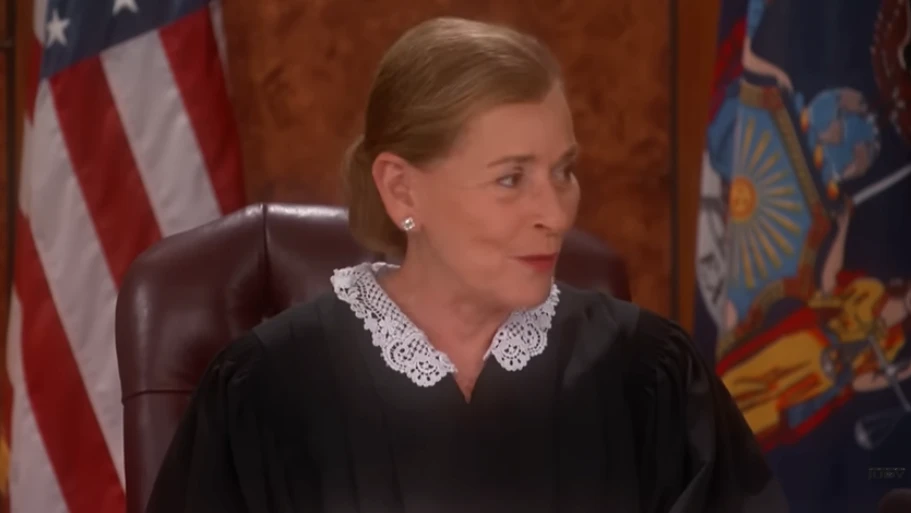
Judge Judy reads one message:
“For the time being, I need to take a major step back from myself and the baby.”
She says Ms. Byes wanted to speak to Alejandro personally, while his parents were acting as a buffer.
Judge Judy sees that buffer as reasonable because both young adults were immature and the situation was already emotionally charged.
The Dominican Republic Message Raises Concern
Judge Judy reads another message where Ms. Byes wrote that if she did not hear from Alejandro himself by Friday, she had legal rights to leave the country temporarily or permanently.
The message also referenced the Dominican Republic.
Judge Judy reacts because the message sounded more like pressure than cooperation.
Social Media Made the Situation Worse
Ms. Byes says Alejandro and his family posted negative things online, and that both sides agreed to stop.
Judge Judy is not impressed.
She sees social media conflict as another sign that two teenagers were mishandling a serious situation.
The Claimed Miscarriage Has No Medical Proof
Ms. Byes says she had a miscarriage near the end of October. Judge Judy asks for medical records.
Ms. Byes says:
“I do not.”
That answer becomes central.
Judge Judy Says the Timing Would Require Medical Care
Judge Judy explains that if someone was pregnant from February or March through October, that would be a very late pregnancy loss.
She says such an event would almost certainly involve hospital records.
Ms. Byes names North Suburban as the hospital, but she does not bring records.
Her Mother Did Not Go With Her
Judge Judy asks whether Ms. Byes’ mother went to the hospital.
The answer is no.
The mother says her daughter was independent, but Judge Judy finds it difficult to believe that a mother who had planned a baby shower would not be involved in a late medical event.
Judge Judy Says the Family May Never Know
Judge Judy says:
“I’m just not sure if there’s a deceased baby or one that’s living elsewhere or if there ever was one to begin with.”
This is the emotional center of the case. Judge Judy cannot force a final medical answer in this hearing, but she makes clear that the story is deeply uncertain.
The Baby Photo Creates Another Contradiction
Alejandro’s family says Ms. Byes sent them a picture of a baby and claimed the baby had been born.
Judge Judy asks to see the picture and asks where it came from.
Ms. Byes Says the Picture Came From a Friend
Judge Judy asks:
“Where did you get this picture from?”
Ms. Byes answers:
“I got it from a friend.”
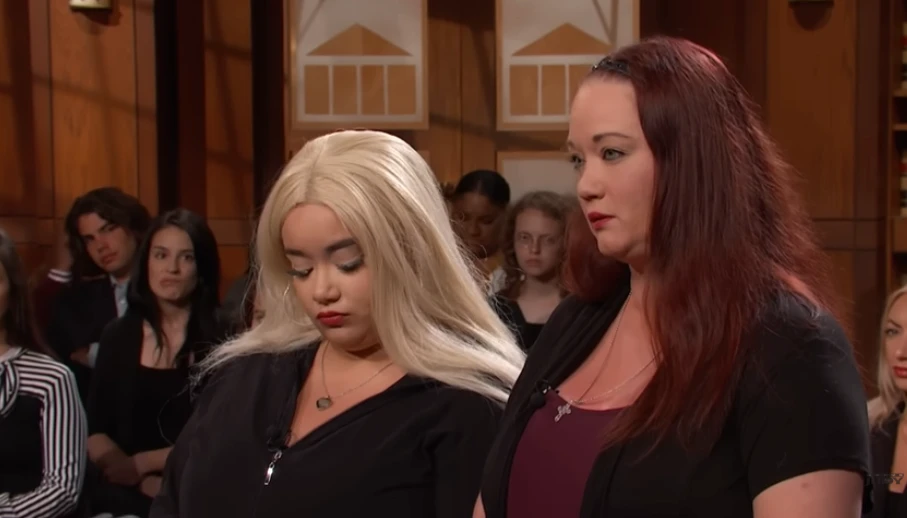
Judge Judy then asks whether it was a picture of her baby.
Ms. Byes says yes, but the explanation remains confusing.
The Timing Does Not Match
Ms. Byes says the baby in the photo was born in June of the previous year, but she also says she requested the photo around late October, after the alleged miscarriage.
Judge Judy presses the timeline because it does not make sense.
Judge Judy Rejects Her Credibility
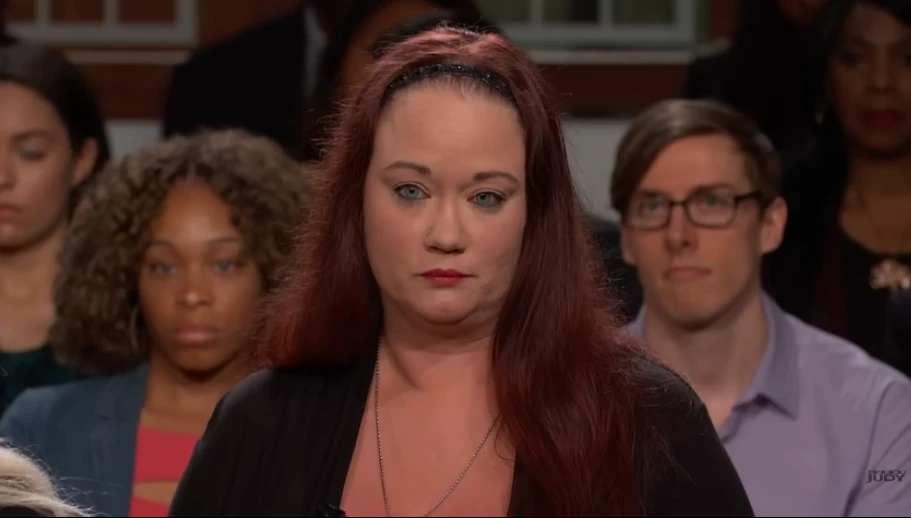
Judge Judy tells Ms. Byes directly:
“The only thing I know about you is that when your mouth is moving, you’re lying.”
For a Facebook-safe article, this quote should be used only as courtroom dialogue, not as the article’s voice. It captures Judge Judy’s conclusion: Ms. Byes’ story was not credible.
Final Judgment: $5,000 for the Plaintiffs
Judge Judy identifies the plaintiffs’ damages as the costs and emotional upheaval caused by the pregnancy claim, paternity-test process, court preparation, and unanswered questions.
She says the family wanted answers, but she cannot force Ms. Byes to provide medical records in that moment.
The Gonzales Family Wanted Answers
Judge Judy says:
“They would actually like answers. I can’t give you answers today because I can’t force her to give you answers.”
That line explains the limits of the courtroom.
The court can award damages, but it cannot fully resolve every personal mystery.
Judge Judy Warns Alejandro
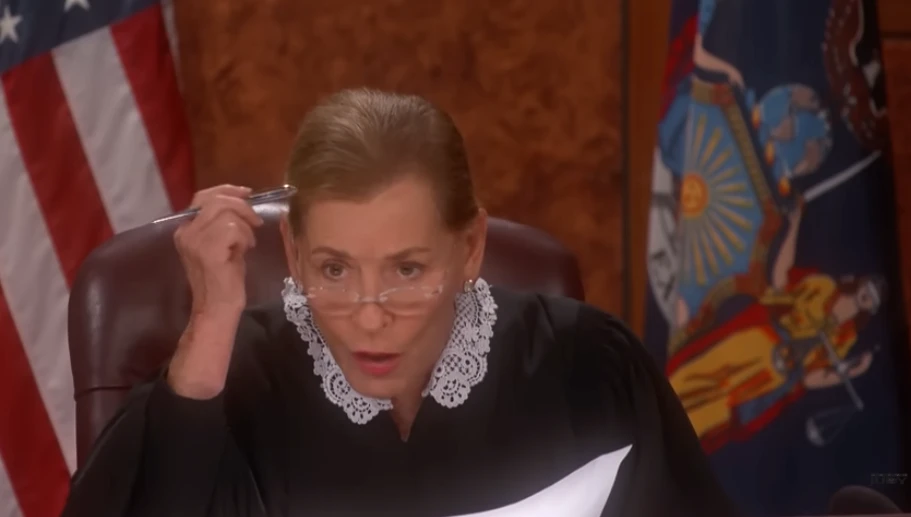
Judge Judy tells Alejandro to be more careful in the future and not take risks until he is physically, financially, emotionally, and independently ready to become a father.
Her warning is blunt but practical.
The Award Is $5,000
Judge Judy concludes:
“You caused an awful lot of trouble for an awful lot of people. Judgment for the plaintiff in the amount of $5,000.”
That is the final outcome.
Situation Analysis: Who Was Right and Who Was Wrong?
This case is difficult because it involves a possible pregnancy, a possible pregnancy loss, family grief, and unanswered medical questions. Judge Judy does not make a medical finding about exactly what happened. Instead, she evaluates credibility.
The Gonzales family had the stronger case because they had texts, a clear effort to participate, and a pattern of being misled.
Ms. Byes’ Story Had Too Many Contradictions
Dates changed. Medical proof was missing. Her mother had not been involved. Alejandro’s parents were allegedly told her parents were deceased.
Each contradiction weakened her position.
Alejandro’s Family Acted More Responsibly
They asked for appointments, offered support, and tried to manage the situation through parents instead of letting two teenagers handle it alone.
Judge Judy found their testimony credible.
Judge Judy’s Decision Was Based on Harm and Credibility
The $5,000 award was not about proving every medical detail.
It was about the trouble, cost, and confusion Judge Judy found Ms. Byes had caused.
Lessons From This Judge Judy Case
This case offers a powerful lesson about proof, responsibility, and the harm that confusion can cause in family situations.
When a pregnancy claim affects another family, communication and documentation matter.
Serious Claims Need Serious Proof
Medical appointments, test records, and hospital records should be documented.
Without them, trust breaks down quickly.
Parents Should Be Involved When Teenagers Face Adult Problems
Both young adults were 19, but the consequences were far bigger than their maturity level.
Adult guidance was necessary.
Social Media Makes Family Conflicts Worse
Posting, reacting, and threatening online did not solve anything.
It only created more distrust and more emotional damage.
Conclusion
This Judge Judy case began when 19-year-old Ms. Byes told Alejandro Gonzales that she was pregnant. His family tried to step forward, offered support, asked to attend medical appointments, and prepared for the possibility of a baby.
But the story kept changing. The dates did not line up. Medical records were missing. Ms. Byes allegedly told Alejandro’s parents that her own parents were deceased. A baby photo later raised even more questions.
Judge Judy could not provide every answer, but she did make a legal ruling.
Final judgment: $5,000 for the plaintiffs.
The takeaway is clear: when a claim affects another family’s future, proof matters. Without honesty, records, and clear communication, a personal situation can turn into a courtroom judgment.