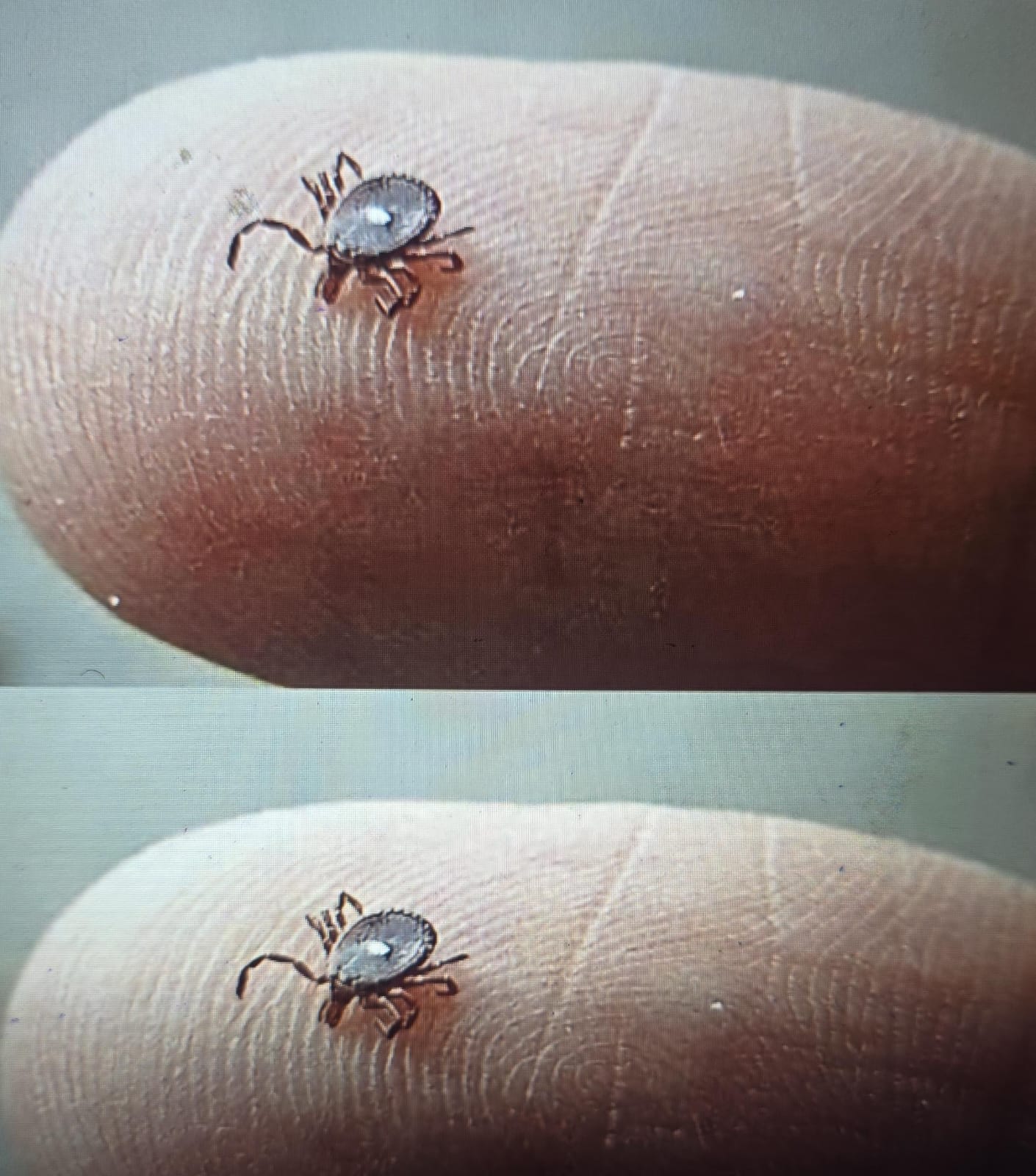
Found a Tick-Like Bug With a White Spot on Your Child? Here’s What Every Parent Should Know
Discovering an unusual insect on your little one following a day outside can feel quite alarming, especially if it resembles a tick and displays a distinct white marking. Understandably, caregivers want to figure out what the bug is, whether it might carry any illness, and what actions to take next.
Although this find may prove unsettling, there is zero reason to panic. A white spot does not automatically mean a bug poses a threat. The main priority is handling a potential tick bite properly, inspecting your child thoroughly, and knowing the right time to seek medical guidance.
Why Do Some Ticks Have a White Spot?
One particular species known for its unique appearance is the lone star tick. Grown females usually feature a single pale, silvery-white dot on the upper part of their bodies. This trait makes them relatively simple to identify compared with numerous other tick varieties.
Yet, not every tick-like bug featuring a white mark is a lone star tick. Lighting, the insect’s dimensions, and other physical features can complicate identification, particularly when looking at a photograph.
Furthermore, a tick’s appearance fails to reveal whether it carries an infection. Pinpointing the species and understanding the location of the exposure can assist medical professionals in evaluating any potential hazard.
What Should You Do If You Find a Tick on Your Child?
To begin with, check whether the bug is crawling across the skin or firmly attached to it.
If it is moving around freely, remove it gently without crushing it. Next, inspect your child’s skin, scalp, hair, and garments for any additional ticks.
Should the tick be attached, extract it as quickly as possible by following these steps:
-
Utilize clean, fine-tipped tweezers to grip the tick right against the skin.
-
Pull upward utilizing steady, even pressure.
-
Refrain from twisting, jerking, or squeezing the bug’s body.
-
Sanitize the bite zone and your hands using soap and water or rubbing alcohol.
Avoid applying petroleum jelly, nail polish, or heat in an effort to force the tick to let go. These tactics are strongly discouraged.
If feasible, place the removed tick into a sealed container or snap a clear picture for identification purposes. Do not delay professional medical care while trying to figure out the exact species.
Can a Tick Bite Make Your Child Sick?
Certain ticks transmit germs capable of causing illness, but not every tick carries a disease, and not every bite leads to an infection.
The degree of risk relies heavily on the tick species, the region where the bite happened, and the duration the tick stayed attached. Different tick-related illnesses additionally feature varying symptoms and incubation timeframes.
Following a potential tick bite, keep an eye out for signs such as:
-
Fever or chills
-
Headaches
-
Unusual exhaustion
-
Muscle or joint soreness
-
A fresh or expanding rash
These symptoms can stem from many origins, but if they surface after possible tick exposure, reach out to your child’s healthcare provider and explain when and where the bite might have taken place.