Viral TikTok Monologue Ignites Debate Over Culture, Race, and Stereotypes
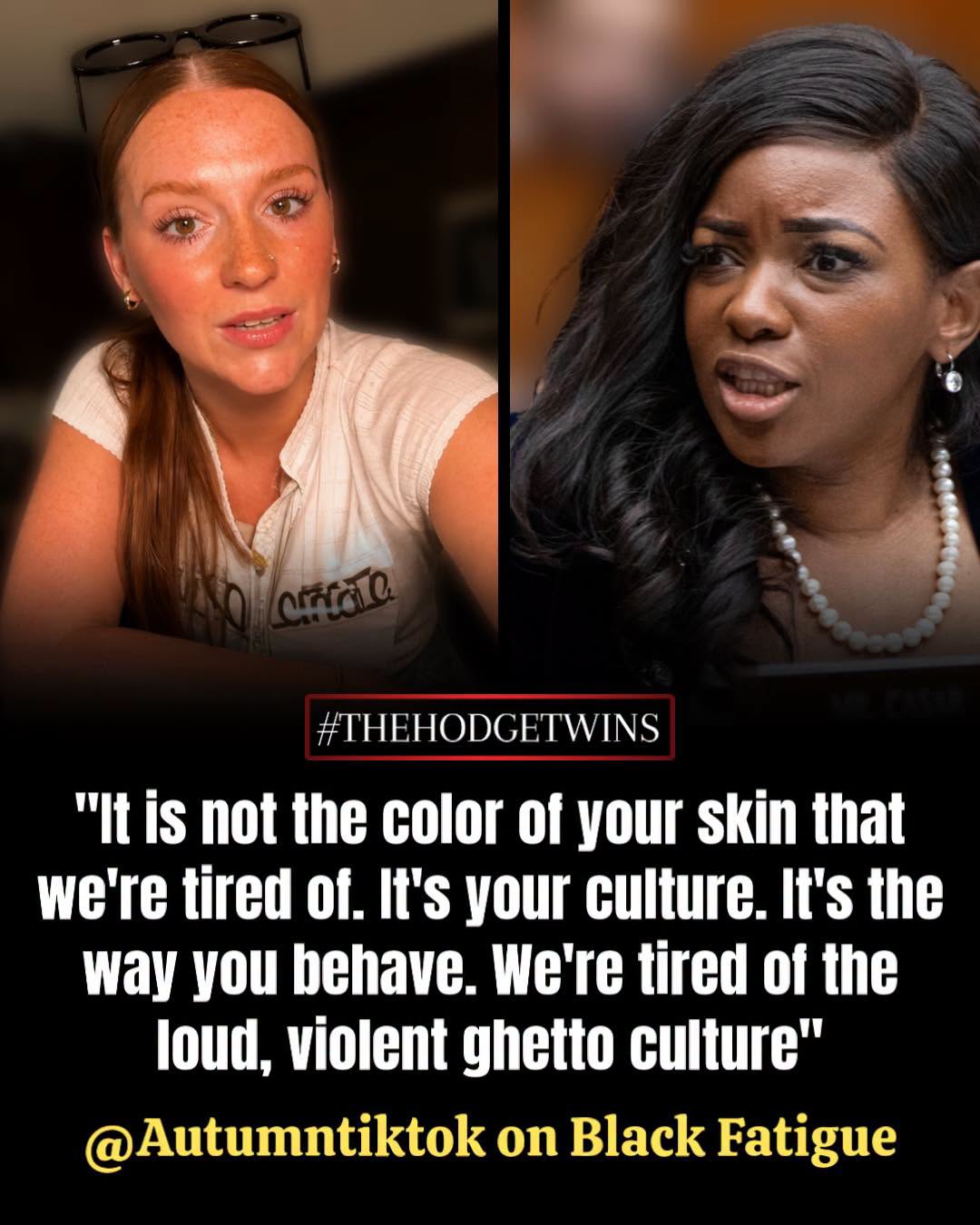
A TikTok video posted by a user identified as “Autumn” (@autumntiktok) has sparked intense debate across social media after a monologue discussing culture, behavior, and race gained widespread attention.
In the video, Autumn argues that public frustration is not directed at skin color itself but at what she describes as “loud, violent ghetto culture” and certain patterns of behavior. The clip quickly spread across multiple platforms, attracting millions of views, reactions, and commentary.
Supporters of the message, including some conservative commentators and online personalities, defended the video as a critique of behavior rather than race. They argued that discussing cultural problems, crime, family structure, or social norms should not automatically be considered racist. Many supporters described the speech as an example of “pattern recognition” and a criticism of specific conduct rather than ethnicity.
Critics strongly disagreed. Civil rights advocates, academics, and many content creators argued that terms such as “ghetto culture” have historically been used as coded language that can reinforce racial stereotypes. They contended that broad generalizations about entire racial or ethnic groups risk unfairly attributing the actions of individuals to millions of people who share the same background.
The controversy quickly expanded beyond the original video, becoming part of a larger discussion about race, culture, personal responsibility, and free speech in the digital age. Supporters claimed that society often avoids difficult conversations about social problems, while opponents argued that stereotypes frequently oversimplify complex issues and contribute to prejudice.
At the center of the debate is a long-standing question: Where is the line between criticizing cultural behaviors and stereotyping entire communities?
Sociologists generally note that stereotypes often emerge from observations of real-world patterns, but they caution that stereotypes can become misleading when they are applied broadly to entire groups. Critics argue that this can result in unfair assumptions about individuals, while supporters maintain that discussing trends and cultural challenges is necessary for addressing social issues.
As the video continues to circulate online, it remains a flashpoint in ongoing national conversations about identity, culture, race, and the role social media plays in shaping public discourse.