Tuskegee University’s Dress Code Sparks Debate Over Bonnets, Durags and Pajamas
Tuskegee University has drawn attention after introducing updated expectations for student dress, reigniting a familiar debate over professionalism, cultural expression and what is considered appropriate attire on a historically Black college campus.
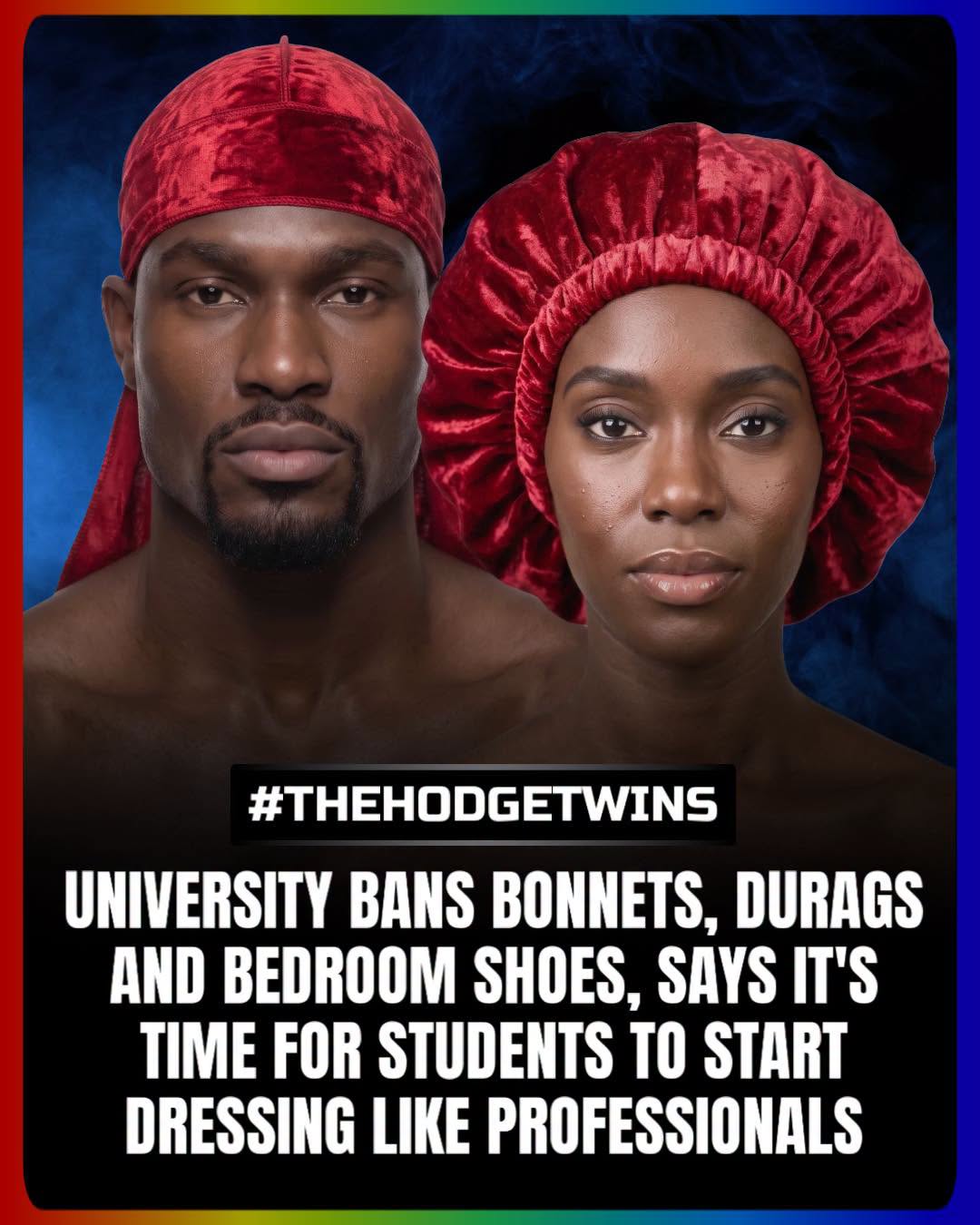
The university’s current dress standards prohibit sleepwear outside residence halls and restrict certain forms of headwear inside university buildings. Tuskegee’s previously published student handbook, for example, specifically listed do-rags, stocking caps, bandanas and baseball caps among prohibited headwear for men inside buildings. (Tuskegee University)
Recent reporting has brought renewed attention to the university’s summer dress-code changes. According to the Alabama Reflector, President Mark A. Brown told students that revealing clothing would not be permitted in classes, the cafeteria or official university settings such as Convocation. (Alabama Reflector)
The policy has become part of a broader conversation about how students should present themselves in academic environments.
University officials have connected their approach to career readiness and professional preparation. Tuskegee says workforce readiness is a major part of its student-success strategy, with students encouraged to gain professional experience and become familiar with workplace expectations before graduation. (Tuskegee University)
The university has also taken steps to reduce the financial burden of professional clothing. Its Golden Tigers Community Closet provides students with access to business clothing and other career-ready attire, with university officials describing the initiative as a way to ensure that clothing costs do not become a barrier to professional opportunities. (Tuskegee University)
Supporters of stricter dress standards see the policy as part of maintaining a formal academic environment and preparing students for workplaces where appearance can be subject to professional expectations.
Critics, however, question whether rules surrounding items such as durags, bonnets and casual clothing can disproportionately affect Black students and forms of cultural expression. For those critics, the issue goes beyond clothing and raises questions about respectability politics—the idea that marginalized groups may be encouraged to conform to dominant standards of appearance or behavior in order to be viewed as respectable.
The discussion is particularly notable because Tuskegee is a historically Black university with a long-standing cultural identity of its own.
At the same time, the university’s stated position focuses on standards and preparation rather than eliminating students’ individual identities. Brown has repeatedly emphasized workforce readiness as part of his administration’s priorities, describing professional development and real-world experience as important components of a Tuskegee education. (Tuskegee University)
The controversy therefore raises a question that extends well beyond one university:
Where should the line be drawn between maintaining professional standards and respecting cultural forms of dress?
For supporters, dress codes can establish expectations for shared academic and professional spaces. For critics, the same rules can feel unnecessary or culturally loaded when they regulate clothing associated with particular communities.
Tuskegee’s policy has placed that tension back in the spotlight, leaving students, alumni and observers to debate what professionalism should look like on an HBCU campus in 2026.